
The Materials
Most brands pick materials on cost and ease of production. We started from a different question: what sits against your skin for hours of training, and what does it do once it's there. Here is what we chose, material by material, and what we refused.
Fight Form makes natural fiber workout clothes from 4 materials: a shell of 60% organic cotton and 40% TENCEL lyocell, a built-in liner of 100% merino wool, and a waistband of natural rubber. 0% polyester, 0% nylon, 0% elastane, 0% PFAS.
What We Use
Every Fight Form short is built from the same 4 materials across 3 components. The Fight Short and the Training Short differ in cut, not in build. Here is each one: what it is, where it comes from, and the job it does.
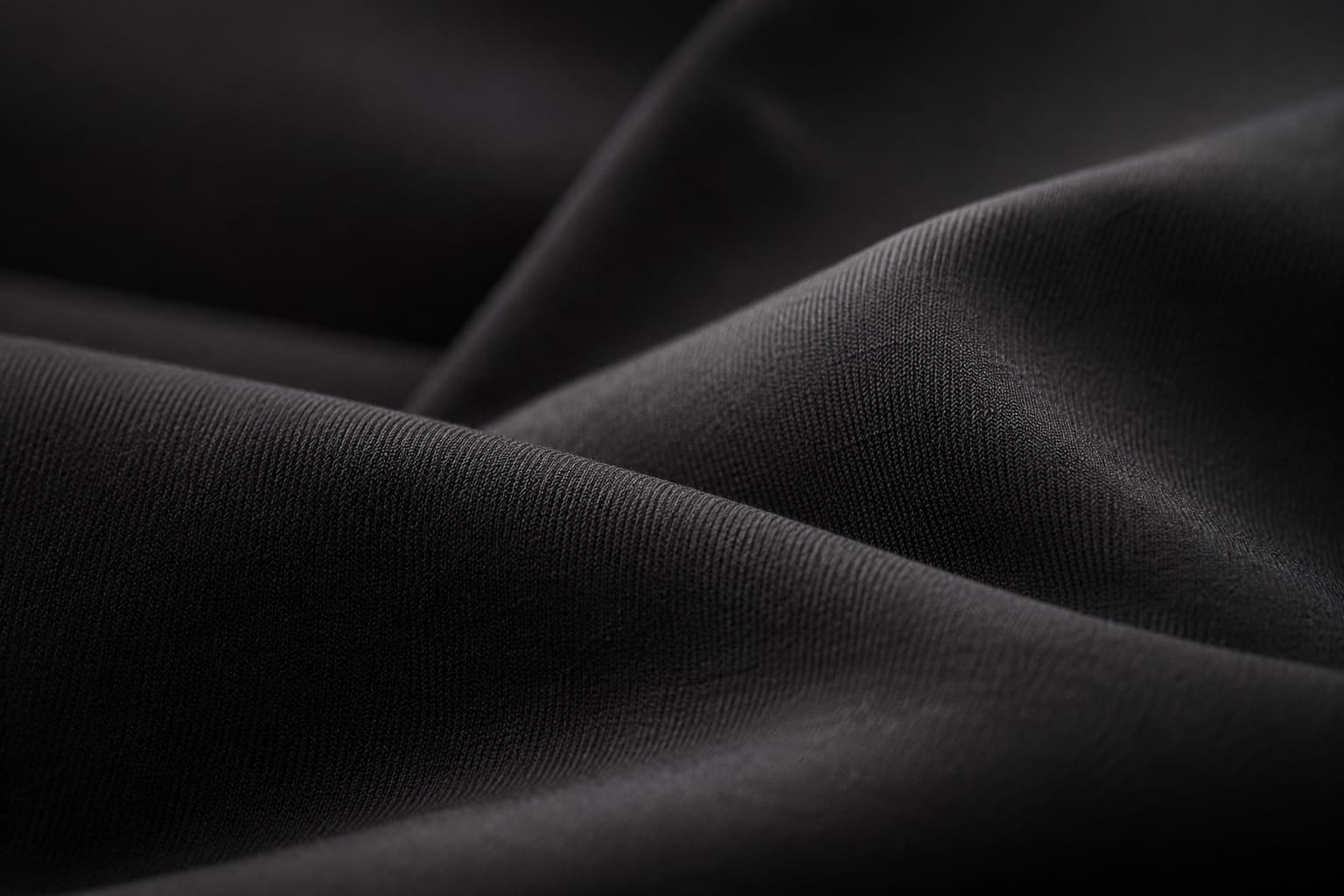
Outer shell
ORGANIC COTTON
60% of the shell
Cotton is a cellulose fiber, and cellulose absorbs moisture instead of repelling it. That is what lets the shell breathe under sustained output with no coating doing the work. The fiber softens with washing and holds its structure through the constant abrasion of mat work.
TENCEL LYOCELL
40% of the shell
Lyocell is a cellulose fiber regenerated from wood pulp in a solvent-recycling process, which is what separates it from viscose. In the shell it does the job synthetic wicking coatings are added to imitate: the fiber itself moves moisture off the skin. Its smooth surface keeps the blend cool against the body instead of damp.7
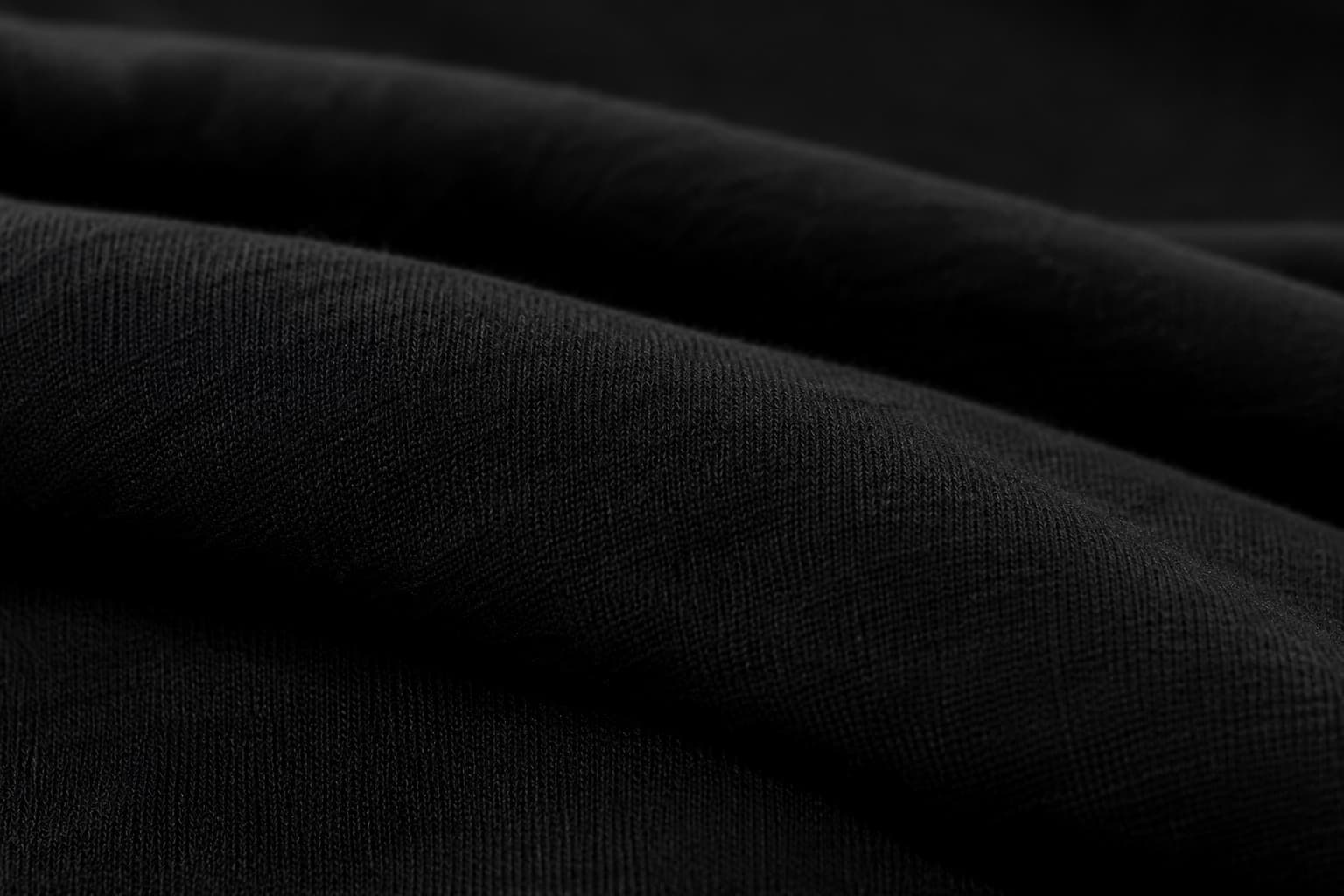
Built-in liner
MERINO WOOL
100% of the liner
Merino is a finer fiber than standard wool, so the liner sits against skin with no itch and no bulk. The fiber regulates temperature in both directions, warm at rest and cool under load, and it resists odor with no antimicrobial treatment. In controlled wear trials, polyester built up markedly more odor than wool over the same use. The liner is built in and doubles as underwear.6
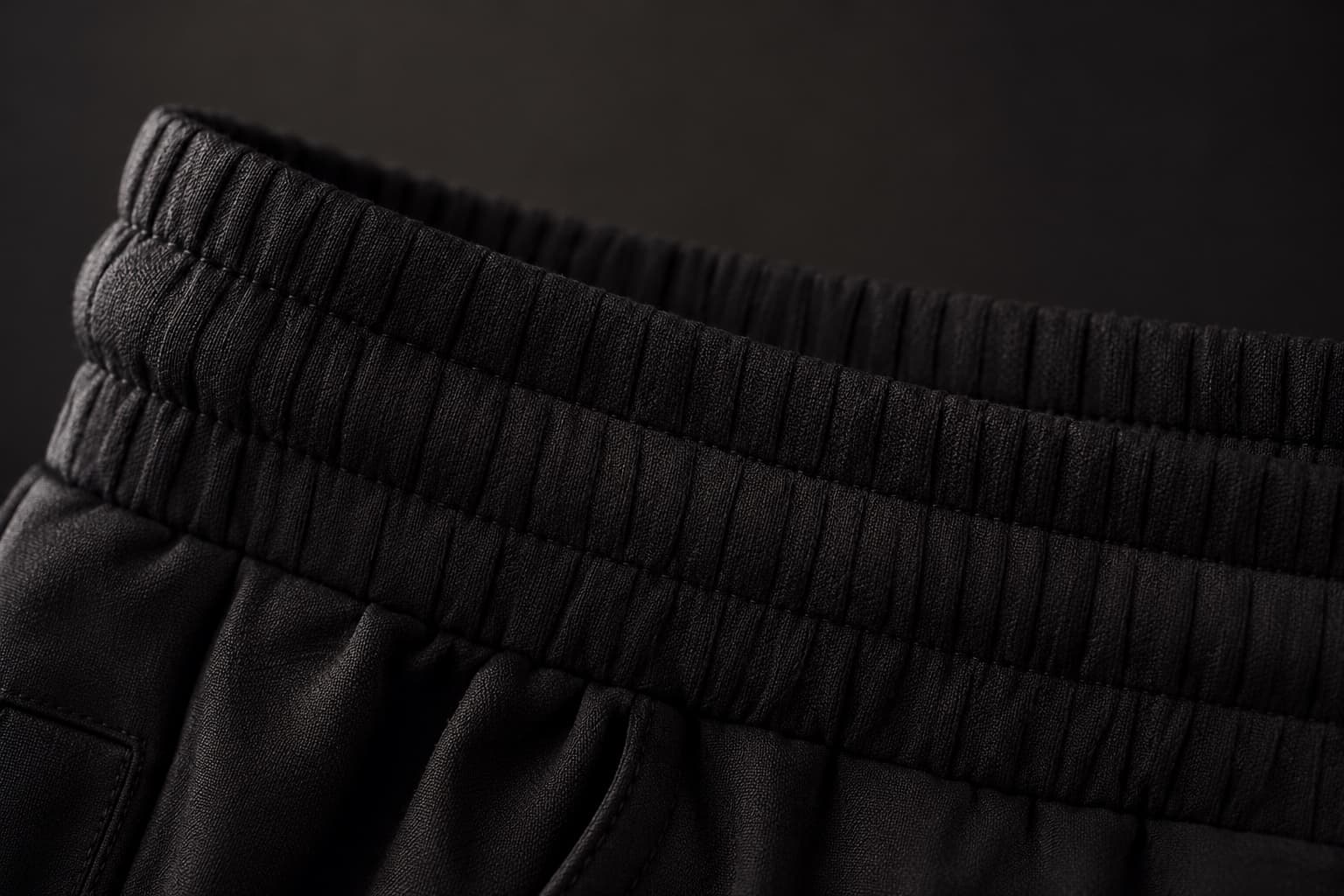
Waistband
NATURAL RUBBER
The waistband core
Natural rubber is tapped from the rubber tree as latex. Nearly every performance waistband uses spandex or elastane for stretch. Both are polyurethane, a plastic. Ours is natural rubber: the same stretch and recovery, none of the plastic. It holds position through hard rounds and does not loosen over time.
The Standard
Read it like an ingredient label. If a material is not in the 4 above, it is not in the shorts.
POLYESTER
A plastic fiber spun from petroleum. It sheds microplastics through wear and washing, and those particles turn up in human blood and tissue in peer-reviewed studies. It dominates performance apparel because it is cheap and easy to make at scale, not because it is good for the person wearing it.
NYLON
A synthetic polymer from petrochemicals. It releases microfiber under friction, which is constant in grappling and bag work, and it holds heat and bacteria rather than moving moisture, so odor builds between sessions.
SPANDEX / ELASTANE
A polyurethane fiber added to nearly every performance garment for stretch. We achieve stretch differently: knitted natural fabric in the shell, fine merino wool in the liner, and natural rubber in the waistband. No elastane anywhere in the build.
The Difference
Fight Form
Standard synthetic short
Moisture
Fight Form
Absorbed and released by the fiber itself
Standard synthetic short
Pushed along the fiber by an applied coating
Odor after training
Fight Form
Merino resists bacterial buildup untreated
Standard synthetic short
Polyester rated highest for odor in wear trials
Temperature
Fight Form
Wool and cotton buffer heat in both directions
Standard synthetic short
Holds heat against the skin
Stretch
Fight Form
Knit structure and natural rubber
Standard synthetic short
Elastane — a polyurethane plastic
What sheds in the wash
Fight Form
Natural fiber, not plastic
Standard synthetic short
Plastic microfiber, near 500,000 per load
What the fiber is
Fight Form
Cellulose and protein — cotton, wood pulp, wool
Standard synthetic short
Petroleum-based plastic polymer
The Health Research
During training your core temperature climbs, blood moves to the surface, and your pores open. Skin stops being a passive cover. What the fabric sheds, the body meets. The short version is below; each topic links to the full, cited research on the blog.
MICROPLASTICS
A single synthetic wash load can release close to 500,000 plastic microfibers, and a 2024 study detected microplastics in 100% of the human testis samples it tested.123
MICROPLASTICS IN WORKOUT CLOTHES — THE FULL RESEARCHPFAS FINISHES
Water and stain resistance in performance fabric is often applied PFAS chemistry. In 2023 the World Health Organization's cancer agency classified PFOA, one of the most studied PFAS, as carcinogenic to humans.48
PFAS IN FIGHT SHORTS — THE FULL RESEARCHHORMONES
Phthalates, the plasticizers used in many synthetic textiles, are linked to lower testosterone in men at everyday exposure levels, not just industrial doses.5
POLYESTER AND TESTOSTERONE — THE FULL RESEARCHPOLYESTER ITSELF
Polyester is the fiber all of this runs through — it is the default in nearly every training short on the market. Whether it is bad for you is the right first question.
IS POLYESTER BAD FOR YOU — THE FULL RESEARCHYOUR OWN GEAR
Everything above applies to whatever is already in your bag, not just what we make. Most training gear carries an ingredient list on its own care tag; almost nobody reads it.
A FREE CHECKLIST — SCORE EACH GARMENT FROM ITS LABELTHE REST OF THE PICTURE
Clothing is one input into a bigger total load. The highest-impact changes are mostly free and mostly have nothing to do with what you wear.
A FREE GUIDE — 13 ACTIONS RANKED BY EVIDENCEThe Answer
Fight Form uses natural materials because that is the standard we set, not a trend we followed. Natural fiber solves the performance problems synthetics were chosen to solve, without the chemical tradeoffs that come with them. Breathability without coatings. Moisture management without synthetic wicking. Odor resistance without antimicrobial finishes. Stretch without elastane. Every decision came back to one question: does this work for the person wearing it?
The Position
The industry default exists because synthetics are cheaper, faster to source, and easier to run at volume. That works for the brand. The person wearing it absorbs the tradeoff. Fight Form was built on the opposite premise: the person is the first design consideration. Not the factory. Not the margin. You.
NO SYNTHETICS. NO SHORTCUTS.
Not a tagline. The operating standard. Every material in Fight Form is here because it passed the same test: would we build it this way if the person wearing it were the only thing that mattered?
Questions
The Research
Health findings on PFAS, phthalates, and BPA come from drinking-water, blood, and workplace studies. Clothing is one avoidable source feeding the same total exposure. We state strong findings plainly and frame dose-dependent ones to their evidence level.
See The Shorts
The first production run is 500 units — 250 Fight Shorts and 250 Training Shorts. Same materials throughout. See both cuts, then hold your spot.
FIRST DROP. 500 UNITS. WAITLIST GOES FIRST.